
If you live in Western Sydney or the Hawkesbury, chances are you’ve had a snake moment; that heart-in-throat second when something slithers across the path or disappears under the shed. It’s more common than people think, and it happens in every season, not just summer.
The good news? There’s a lot you can do to make your property less appealing to snakes before one shows up uninvited.
Understand What Draws Snakes In
Snakes aren’t coming after you; they’re after food, warmth, and somewhere to hide. Your backyard might be offering all three without you realising it. Rodents are the biggest culprit. If mice or rats are getting into your shed or compost bin, snakes will follow. Long grass, timber piles, and cluttered garden beds give them cover. Warm concrete slabs and roof spaces are perfect for basking or sheltering.
Once you understand the “why,” the fixes start to make more sense.
Keep the Yard Tidy, Seriously!
This sounds obvious, but it makes a genuine difference. Mow regularly, especially near fences and along the house. Stack firewood off the ground and away from the home. Clear away any debris, old building materials, or pots that have been sitting in the same spot for months.
Snakes are opportunists. Remove the hiding spots, and they’re far less likely to settle in.
Manage Rodents First
You won’t solve a snake problem without addressing a rodent problem. Seal gaps around sheds, check that compost bins close properly, and don’t leave pet food outside overnight. If rodents have no reason to be near your home, snakes lose their main reason to visit.
Seal the Entry Points
Snakes can squeeze through surprisingly small gaps: under doors, around pipe penetrations, through broken vents. Walk around your property and look at it from a snake’s perspective. Gaps under the garage door? Holes around the air conditioning unit? Missing mesh on a sub-floor vent? These are all invitations.
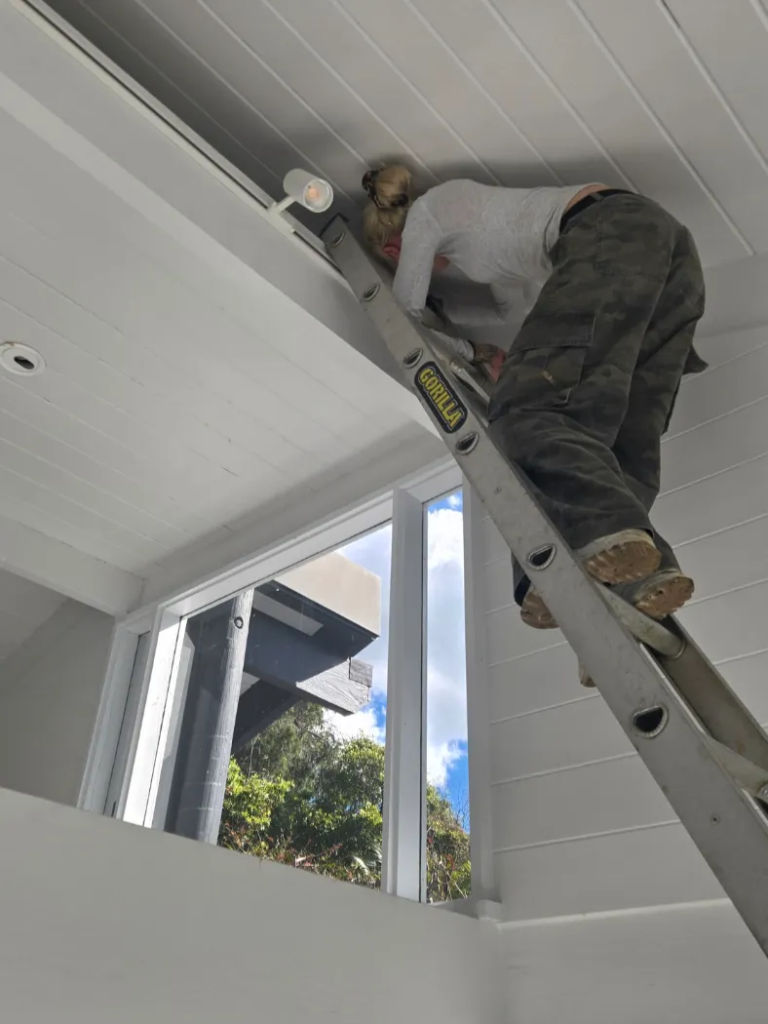
This is where snake proofing comes in. Professional snake proofing goes beyond blocking one or two obvious gaps; it’s a systematic check of every entry point, including roof edges, gutters, garden beds, and drainage grates.
Get a Property Inspection Before Snake Season
Most people wait until they find a snake to take action. A smarter move is booking a property inspection before the warmer months kick in. An inspection will flag the specific risks on your block, whether that’s an overgrown back corner, gaps under the decking, or a chook pen that’s essentially a fast-food restaurant for snakes.
You’ll come away with a written report and practical recommendations tailored to your property, not just generic advice.
Know What’s Around You
If your home backs onto bushland, a creek, or farmland, common in areas like Richmond, Windsor, Penrith, and Blacktown, snakes are part of the landscape. That doesn’t mean they have to be part of your backyard. It simply means you need to be consistent with the habits above, year-round, not just during the summer.
If You Find One, Don’t Touch It
No matter how many articles you read, never attempt to handle or move a snake yourself. Eastern Browns and Red-Bellied Blacks are common in this region, and both are venomous. Even experienced people get this wrong.
The safest thing you can do is keep everyone including kids, dogs, and cats, away from the area and call a licensed snake catcher immediately. Medusa Snake Catcher Sydney operates 24/7 across Western Sydney and the Hawkesbury, with fast response times and safe, humane relocation.
The Bottom Line
Snakes are part of living close to nature in Greater Sydney, but a few consistent habits go a long way. A tidy yard, managed rodents, sealed gaps, and a professional inspection once a year will dramatically reduce your chances of a close encounter.
And if one does show up, you know who to call. Need help making your property safer? Contact Medusa Snake Catcher Sydney for emergency removals, property inspections, and snake-proofing solutions across Hawkesbury and Western Sydney.